

Wicked: For Good
Released November 21, 2025
Directed by Jon M. Chu
Written by Winnie Holzman, Dana Fox, and Stephen Schwartz)
Based on the characters by Gregory Maguire and L. Frank Baum
* Some Spoilers - but the big ones are clearly marked, so you can still read this review if you skip that part *
If you loved the catchy music, charming performances, and fantastical sets of Wicked: Part 1, there is plenty of that in the much-anticipated sequel, Wicked: For Good. The loveable characters all return, but things are far more grim, and most of them are a lot less loveable. The tone is much darker, ditching comedy for intense character rifts and a deeper dive into the political questions from Part 1. This tells a dramatic and difficult story about goodness, self-interest, and redemption. While still enjoyable, the sequel’s highs never reach the same peaks and its weakest points fall well below the worst parts of the first film.
As expected, the music is fantastic, with many themes returning but portrayed in a different light. There are two new songs that weren’t in the musical, “No Place Like Home” and “The Girl in the Bubble”, each providing character moments for Elphaba and Glinda. “No Good Deed” and “For Good” are both deeply resonant and brilliantly performed, letting Ariana Grande and Cynthia Erivo show off their vocal prowess. Though great, none of the songs are nearly as memorable as “Defying Gravity”, even if that “Fiyeroooooo!” moment is pretty epic!
Though For Good remains in the shadow of Part 1, it is a bit more creatively shot and adopts a more mature visual language. Cinematic and intentional, this doesn’t feel like I am watching a play. Shots are deliberate and convey meaning, something largely missing from the first film. The colour grading is still a bit washed out but it fits the tone. This also leans heavily into the action, showing moments that could not be achieved on a Broadway stage. The flying sequences, aerial views of Oz, and Elphaba’s castle are particularly striking. My favourite sequence uses contrasting cuts between Glinda’s wedding, which is bright and luxurious, and Elphaba uncovering shameful secrets in a dark dungeon. One is a celebration of falsehood and the other a burying of truth.
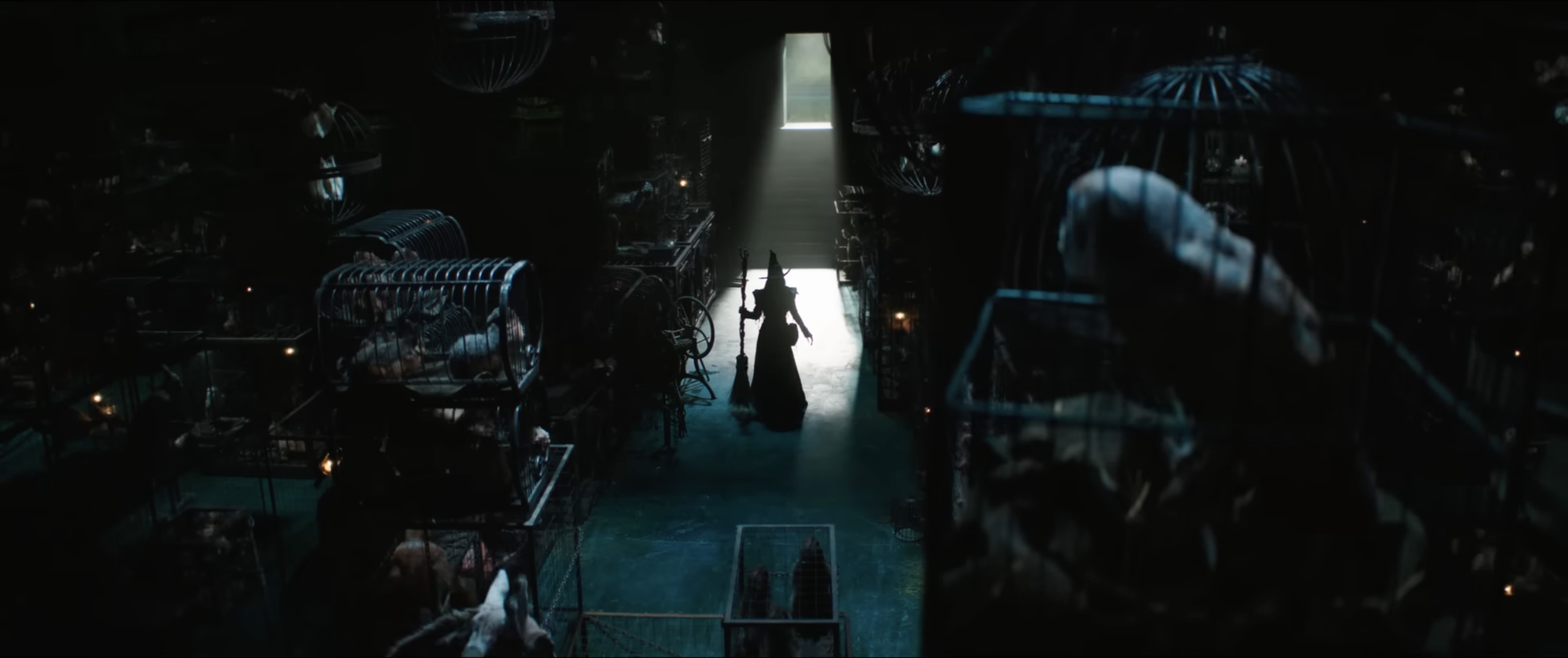
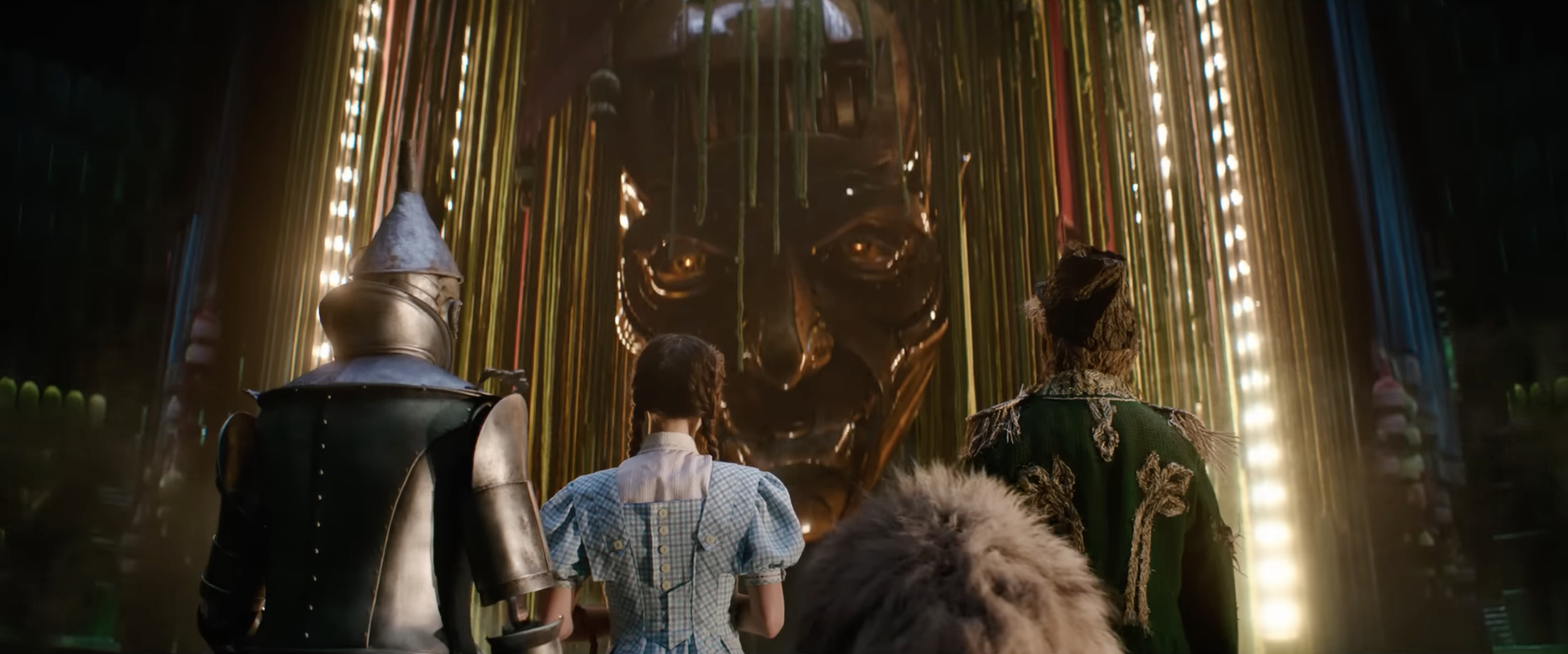
Wicked resonates because it is an alternative backstory that adds context to a familiar world. However, For Good starts to falter as it intersects with the plot of The Wizard of Oz. Dorothy and the gang are present, but this is not their story. Still the narrative cracks widen as the movie has to force itself to fit around those events. Rather than laying a yellow brick road to each choice, we’re left with noticeable gaps in the rushed and unearned character arcs.
The themes from the first movie continue here: oppression, scapegoats, propaganda, and the illusion of power. Animals (and Munchkins) are under an apartheid system with checkpoints and forced to escape as refugees using underground tunnels. There are very clear real world connections that are hard to miss, at least I would hope so. The heavy themes are set up well but the way the plot progresses betrays these ideas, going contrary to its own message.
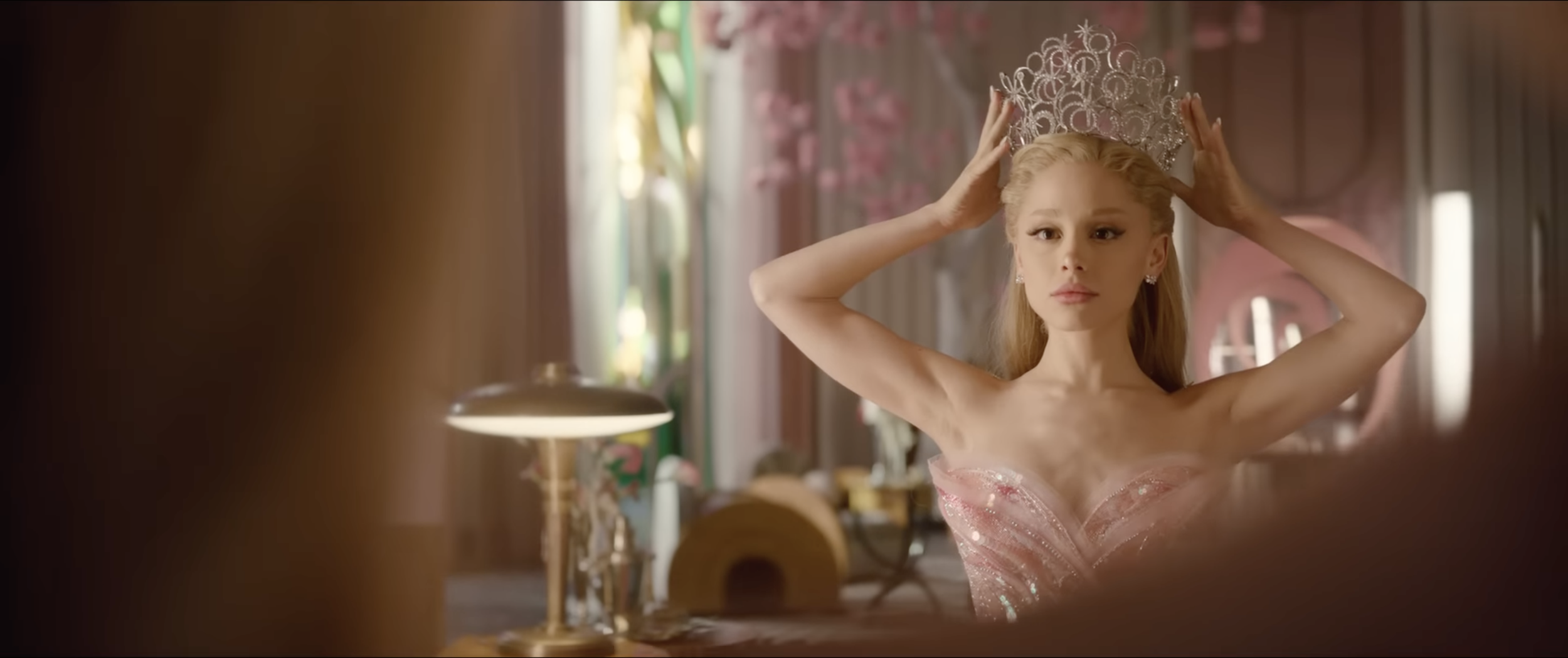
Part 1 shows us a bit of Elphaba’s past, and For Good does something similar with Glinda. She is a spoiled child desperate for attention and validation. She gets “everything [she] wanted...everyone loves [her]” but that love is false, and she seeks the feigned praise she knows she does not deserve. While not exactly a victim she is deserving of pity. Glinda is a prime example of how people can easily succumb to the allure of power, praise, and validation. Harshly contrasted with Elphaba, who is constantly acting as the voice of reason, calling out the evil others seem to tolerate for their own benefit.
In keeping with the bleaker tone, aside from Elphaba and very few others, most characters have horrible reasons to be complicit in oppression. Speaking to the banality of evil, Ozians are not chasing out animals or attacking them. Their actions are distant and administrative, but no less harmful, like a pen stroke in an office condemning people to exile or cages. The characters’ support for the system is based on a deep selfishness. A desire to preserve positions or romantic relationships that are not genuine nor reciprocated but petty and possessive.
There is also a great discussion on the power of propaganda. How labels are exploited by whoever defines them. Oz himself has an entire song, “Wonderful”, where he admits “The people don’t want to believe” no matter how many facts or proofs you give them. It’s disturbing in its accuracy, laying the foundation for an ending that speaks to the cyclical corruption of leadership, an ending that we unfortunately do not get.
The acting is great and most characters get plenty of dramatic moments. Ethan Slater (Gen V) as Boq and Marissa Bode (Mary Poppins) as Nessa are both solid in their heavy emotional scenes. Michelle Yeoh (A Haunting in Venice) and Jeff Goldblum (Asteroid City) finally delve into their characters’ villainy now that it’s out in the open. Yeoh’s acting is fine, but her singing leaves a lot to be desired. Jonathan Bailey (Jurassic World: Rebirth) shows fantastic range as a conflicted soldier of conscience, struggling with his orders and his relationships.
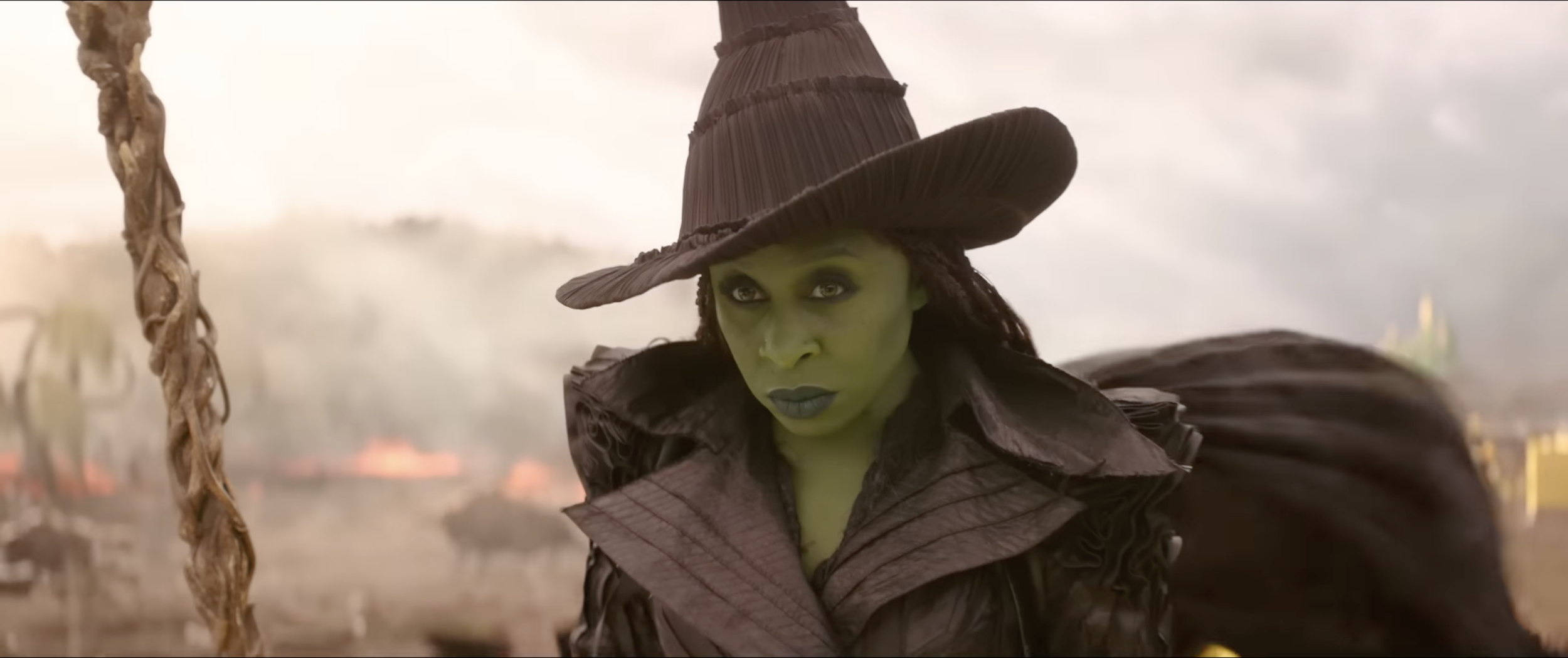
Cynthia Erivo (Harriet) is as incredible as ever. Effortlessly belting out powerful, agonizing, and passionate vocals that one can’t help but feel in their soul. Vilified and firmly dubbed “wicked” after the events of the last film, she is constantly showing the falsehood of that label with her selflessness. A sharp contrast to every other character in the story. Her choices toward the climax could have been given more development but they still work, and “No Good Deed” is probably the most striking scene in the movie.
Though never a huge fan, Ariana Grande (Don’t Look Up) won me over in Part 1 and she is just as impressive here. Her musical performance is even more astounding, with a vocal range that is unbelievable. Her dramatic acting is also equally worthy of praise, delivering pain and gravitas I didn’t know she was capable of. If Part 1 was Elphaba’s movie, For Good is certainly all about Glinda. She has a unique character arc where her redemption is not in her becoming “Good” but the realization that she is not, and never was. This arc works a bit better in the film with the addition of “The Girl in the Bubble”, a new song that serves as an expression of Glinda’s self-reflection, and confession of her own delusion. Her growth is one of awareness and potential, where she admits that her goodness is yet to be proven.
While I appreciate the extra development, even this realization is deeply rooted in the self-centredness she has been plagued with from the start. It’s a good addition but her arc is still lacking given she faces no consequences for her actions and is instead rewarded. Knowing how the film deviates from the Broadway Musical makes this all the more infuriating. I hadn’t seen the play prior to watching the movies but I have since looked into what was added.
** SPOILER ALERT **
— Skip ahead to the next section and come back here after you’ve seen the movie if you don’t want the ending ruined for you —
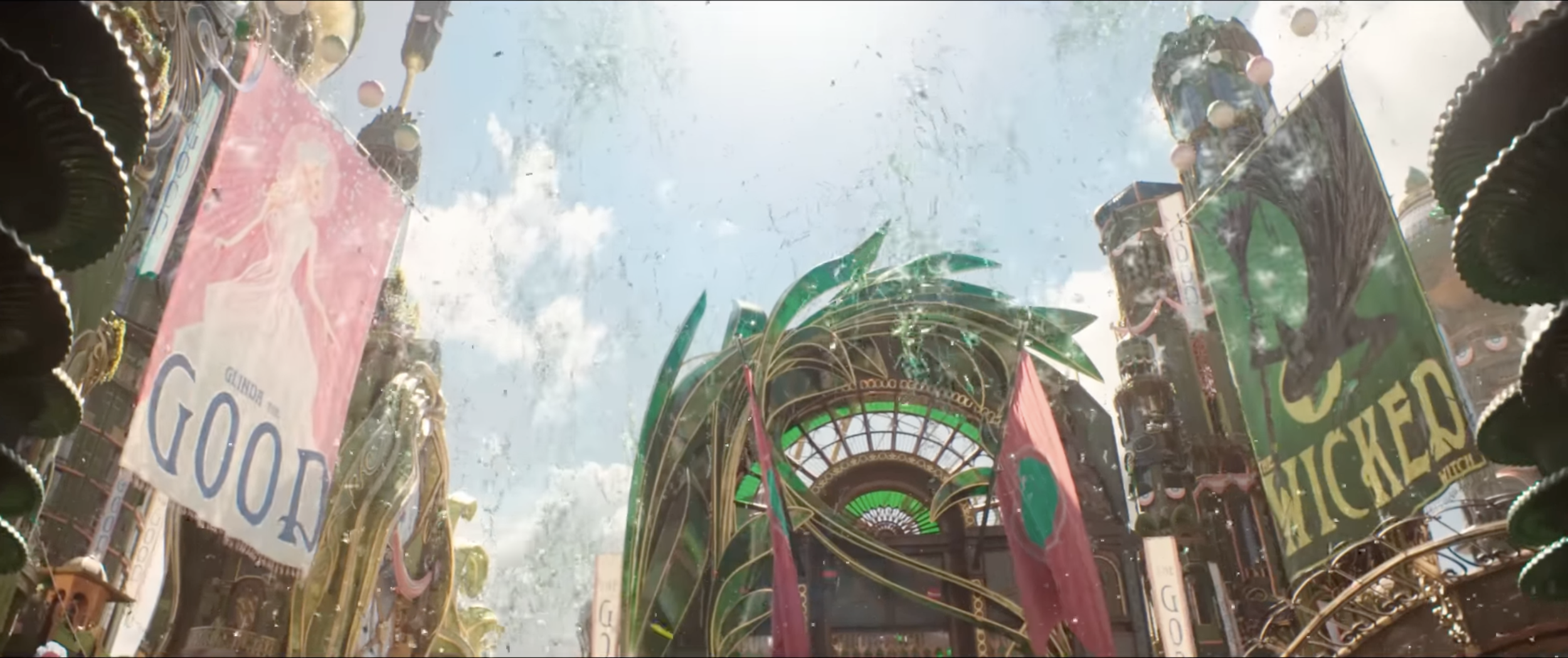
In the musical, Glinda still becomes leader of Oz but it’s a chilling punctuation to the story. Showing how the powerful are often undeserving of their position, and that as much as people try to change a system, things tend to stay the same. Dim and depressing but far more powerful and well set up throughout the story. The musical also never shows Glinda free the animals. That addition is welcome, and though still unearned it gives some basis for Glinda’s redemption. However, the end of the movie shows the Grimoire open and glow for Glinda, implying she is deserving of its magic. This completely undercuts the point that Glinda was never special nor suited for leadership. To imply that she can also use magic masks her dishonesty and gives her legitimacy, rather than remaining a fraud like The Wizard was before her.
The musical goes out of its way to show that Oz’s view of the public and our unwillingness to break a corrupt system is tragically accurate. The sham, deceit, and lie that the Emerald City was built on is allowed to persist, just with a new face. The same population complicit in the oppression, segregation, and apartheid against the Animals, never has to reflect on why that was wrong. They simply live on, the Wicked Witch is killed and “evil” (someone speaking against a corrupt system) is overcome. The people of Oz move from an evil leader to one that is less-bad. The illusion remains and though the animals are freed, the Ozzians accept their presence because their new leader changed a policy, not because they learned to be better.
The narrative feels unaware of its own hypocrisy. Glinda, who was unbearably cruel to Dr. Dillamond in Part 1, never faces her own awfulness. Instead there is “plenty of blame to share.” Far from a consequence, she is rewarded, living in a massive penthouse full of lavish clothing. If the filmmakers wanted to move away from the musical’s bleak (but honest) ending, they needed to provide the necessary foundation to make Glinda’s ascension feel earned. A single scene of the freed animals, living with her and sharing in the prosperity of Oz, or Dr. Dillamond getting a symbolic apology from her, would’ve gone a long way. I could accept that the writers actually understood the deeper moral lesson. I don’t think this was a subtlety left for audiences to extract, it’s a glaring omission that sullies the social commentary this was on the cusp of nailing. One that I now know the musical did so much better.
** END OF SPOILERS **
An adaptation doesn’t need to be 100% faithful to its source but rather than deepen the underlying spirit of the story, this movie undercuts the authenticity of it’s ending, waters it down, and removes the punctuation mark that could have made this great. Prior to learning of these changes, I was ready to accept the flaws as a consequence of faithfulness to the play (which itself changed things from the Wicked novel) but now that I know it was altered for the worse, I am sorely disappointed. What a shame that this ending is completely antithetical to the power and honesty of the musical.
More solemn, politically charged, and bleaker than its predecessor, Wicked: For Good is still full of colourful sets, emotional performances, and stellar musical numbers. However, the narrative betrays itself (and the Broadway musical) by making changes that dilute the original message. Instead giving an ending that pales in comparison to the honest and powerful conclusion we should have got. If you’ve already seen Wicked: Part 1 you definitely should conclude the story, but I urge you to seek out the Musical so you can understand how much better that ending is.
6.5/10 - I still enjoyed it but while Wicked Part 1 turned me from a skeptic to a fan, Wicked: For Good dulled my excitement. It’s a shame they decided to sacrifice thematic coherence and a powerful ending to make things fluffy and safe. Get ready for this to lead into an inevitable Wicked Cinematic Universe.
While you are here check out my review of Wicked: Part 1.
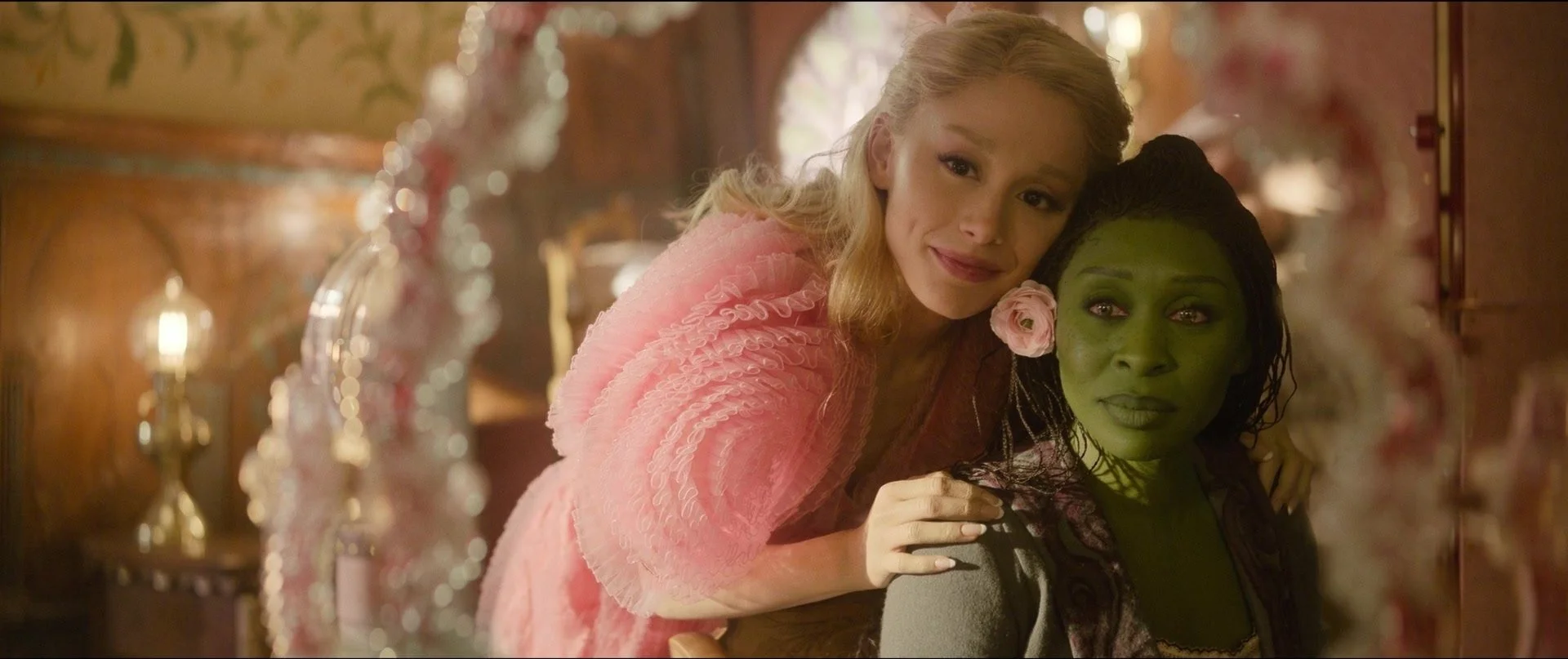

A review of Jon M. Chu’s much anticipated sequel to Wicked, starring Cynthia Erivo and Ariana Grande.